
NOT CLEARED FOR WEBSAMPLE DATA
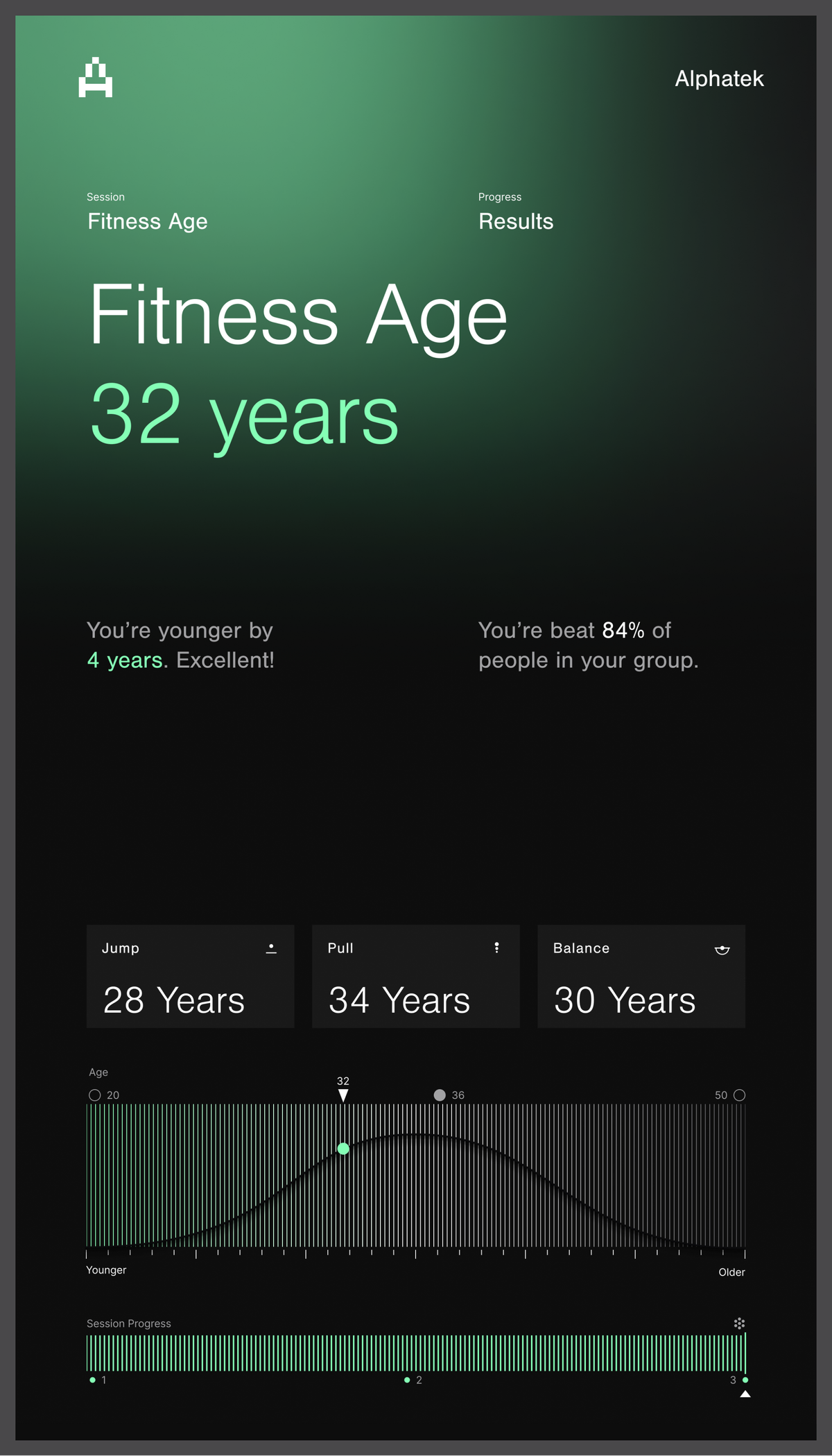
Fitness Age
Pull, jump and balance are presented with percentile and Fitness Age.
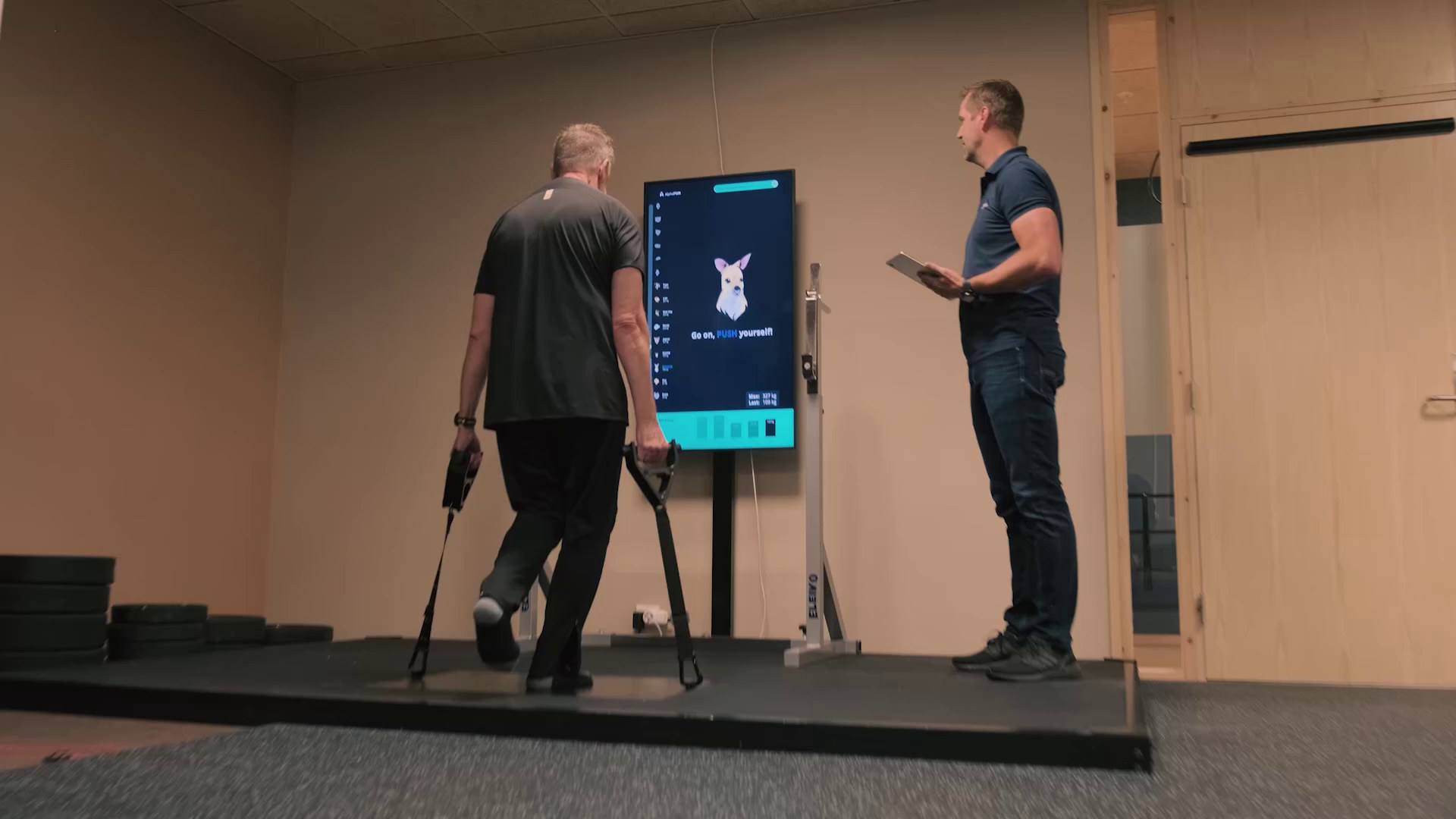
Progress can be difficult to see in longer rehabilitation pathways. Alphatek gives clinician and patient a guided starting point, a shared result and the same protocol to return to.

The clinical problem
In a longer pathway, change can be difficult to recognise from visit to visit. A repeatable starting point gives clinician and patient something concrete to discuss and revisit.
Map a relevant aspect of function.
Connect the result to the wider clinical plan.
Return to the same protocol and discuss change.
One professional assessment
Alphatek contributes one source of information. The clinician combines it with the patient's experience and the clinical examination before deciding what happens next.
Symptoms, confidence, goals and the patient's own description of change.
Observation, examination and professional reasoning around the relevant question.
A repeatable result from a selected, standardised Alphatek protocol.
The measurement supplements the assessment. Alphatek does not diagnose, select treatment or replace professional judgement.
One connected workflow
The screen guides the activity. The clinician selects what is appropriate, interprets the result and keeps the wider clinical picture in control.
Choose a protocol that fits the patient, goal and stage.
Run the guided activity on the patient-facing screen.
Review the result together and agree on the next goal.
Repeat the same protocol and compare change over time.
A relevant patient pathway
Use a standardised protocol when the clinical question calls for a comparable result between sides and over time.
The result can inform a wider return-to-activity assessment. It does not clear the patient or decide return to activity on its own.
Selected protocols
Knee- and shoulder-focused activities are examples of how one shared station can support different questions. The professional selects the protocol and places the result in context.
Available sessions
The named sessions below are available now. The clinician selects the relevant protocol and keeps interpretation in context.
Pull, jump and balance are presented with percentile and Fitness Age.
Shows maximum force and RFD — rate of force development.
Brings balance, function and strength into one selected session.
Shows the results from the selected performance tests.
These outputs are measurement and feedback. They are not diagnoses, treatment recommendations or automatic readiness decisions.
Across rehabilitation
Use only the activities that fit the patient and the clinical question. Alphatek contributes measurement and feedback; the clinician decides what happens next.
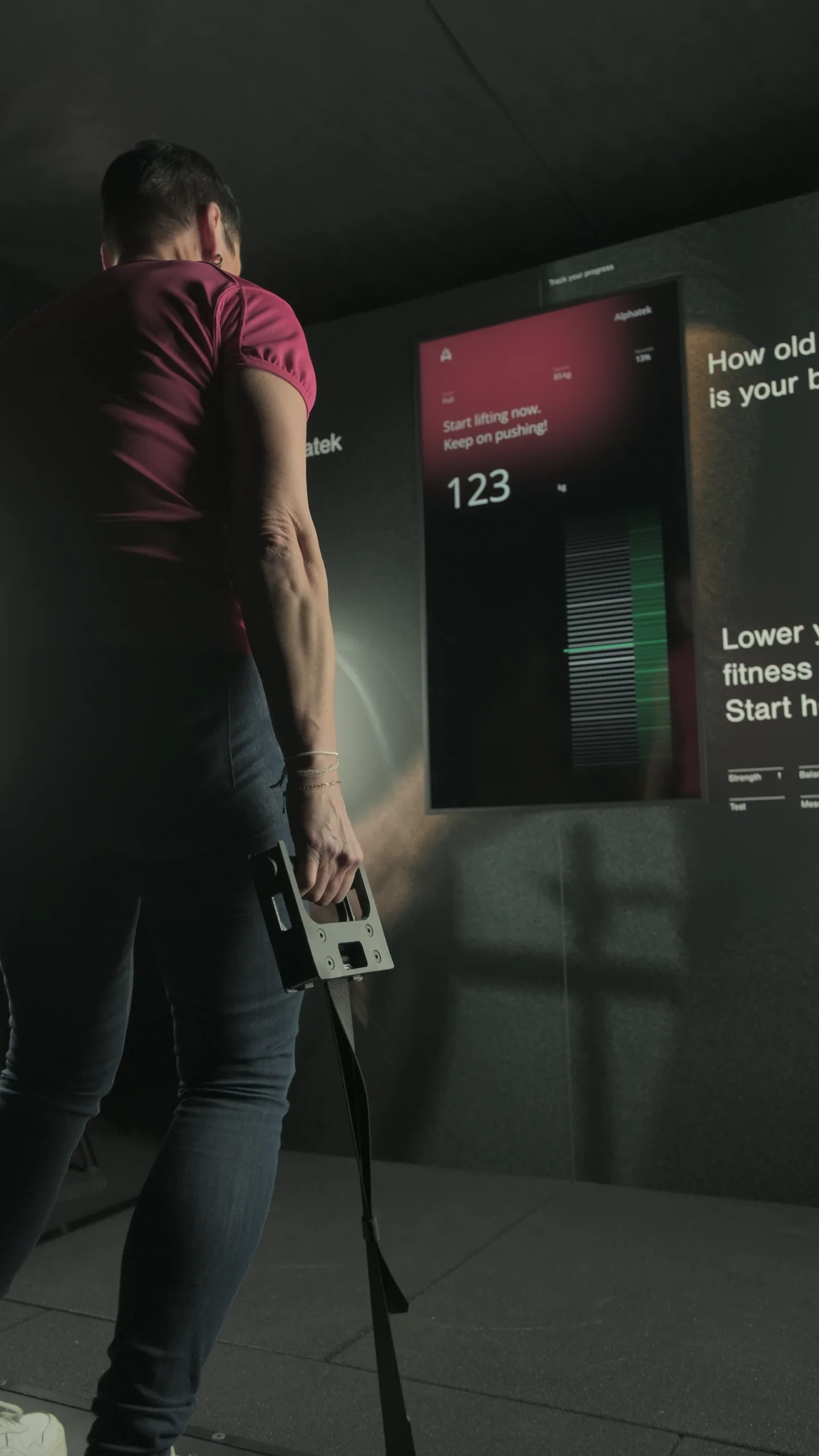
Selected lower-movement activities can add a capacity baseline when clinically appropriate.
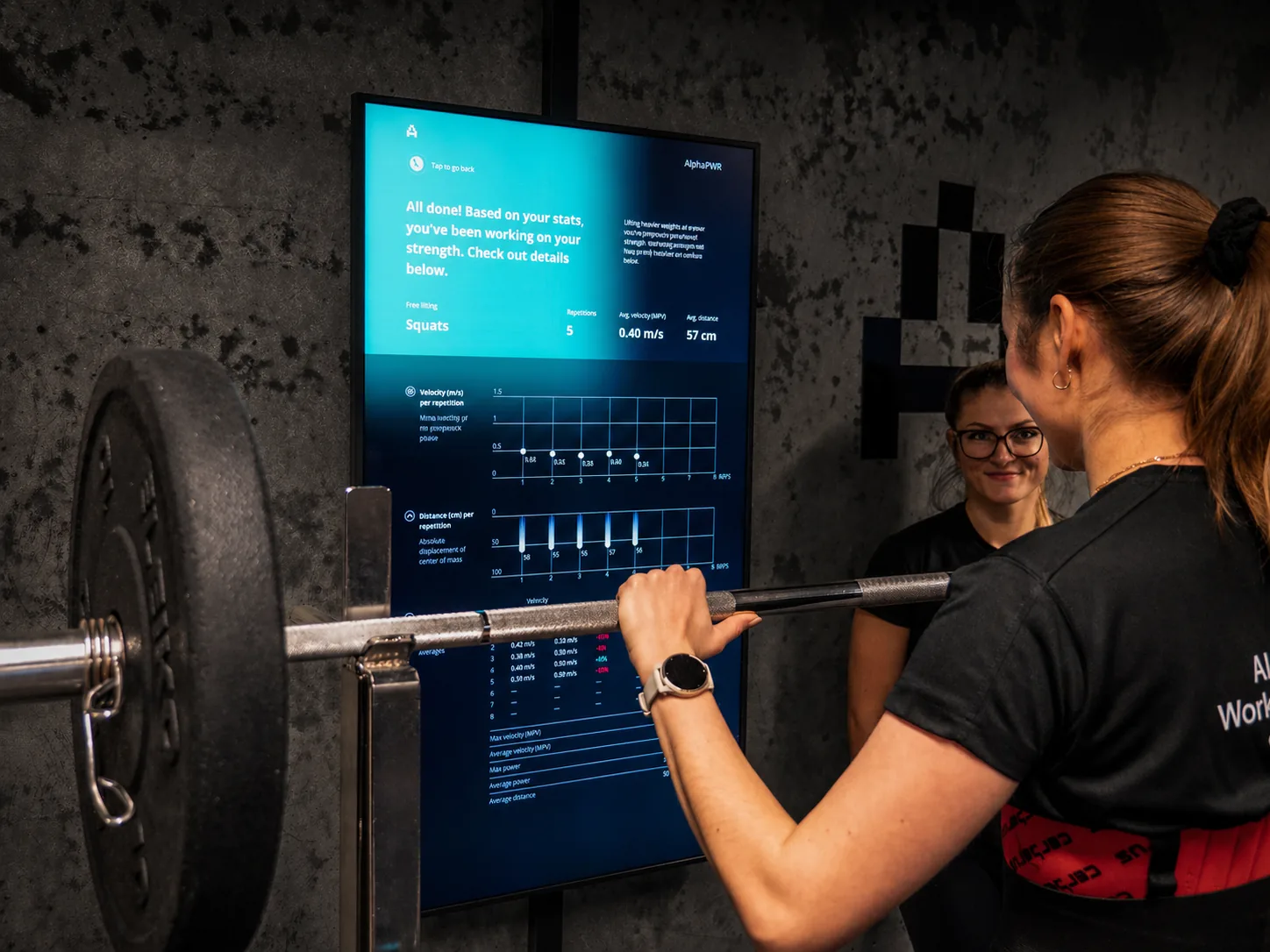
Use immediate visual feedback in selected exercises as rehabilitation develops.
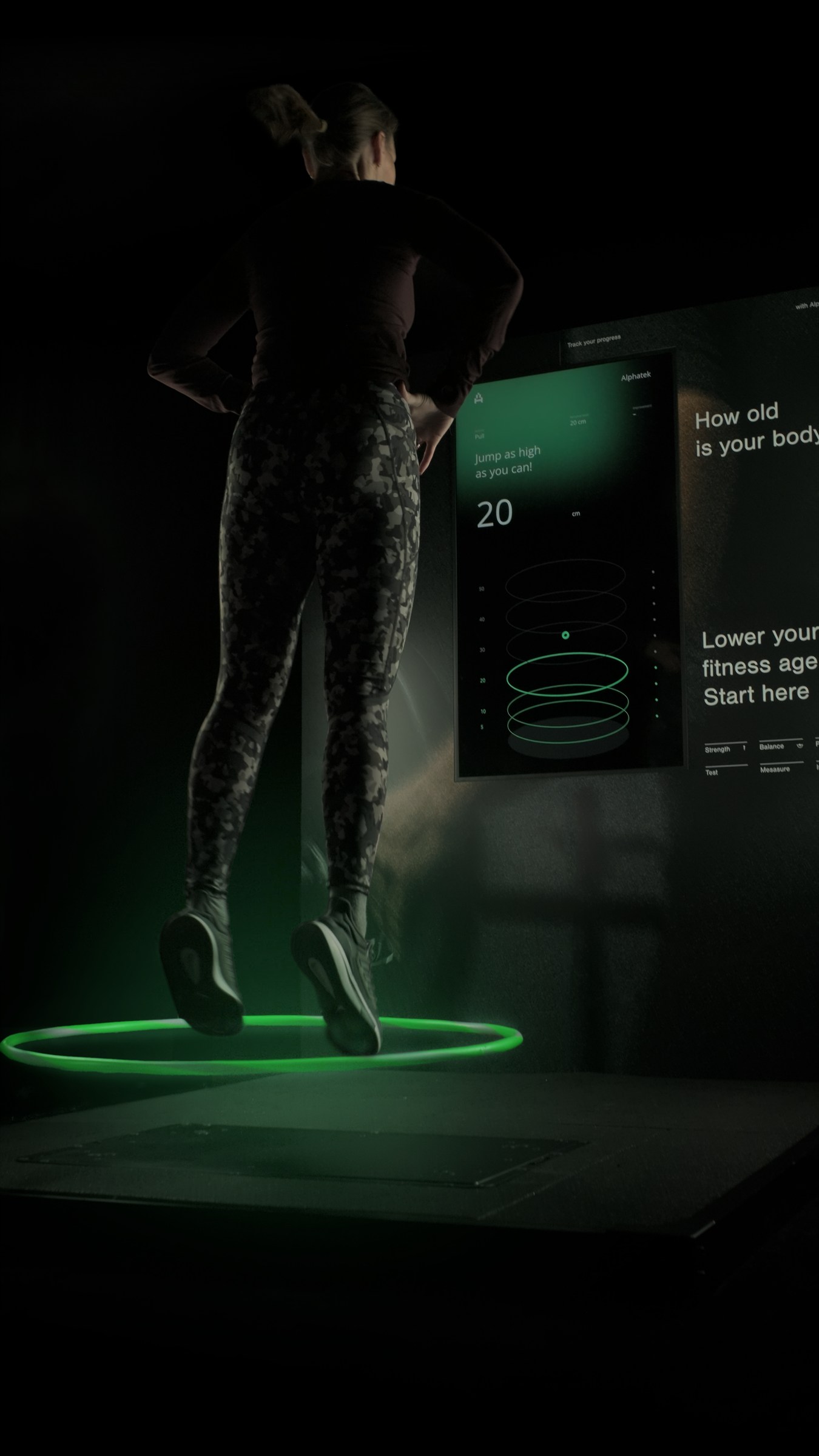
Add selected strength, power and balance data to a wider return-to-activity decision.
Repeat the same protocol to discuss change, the next goal and continued follow-up.
These are examples, not one fixed pathway. Protocol selection, safety and interpretation remain the clinician's responsibility.
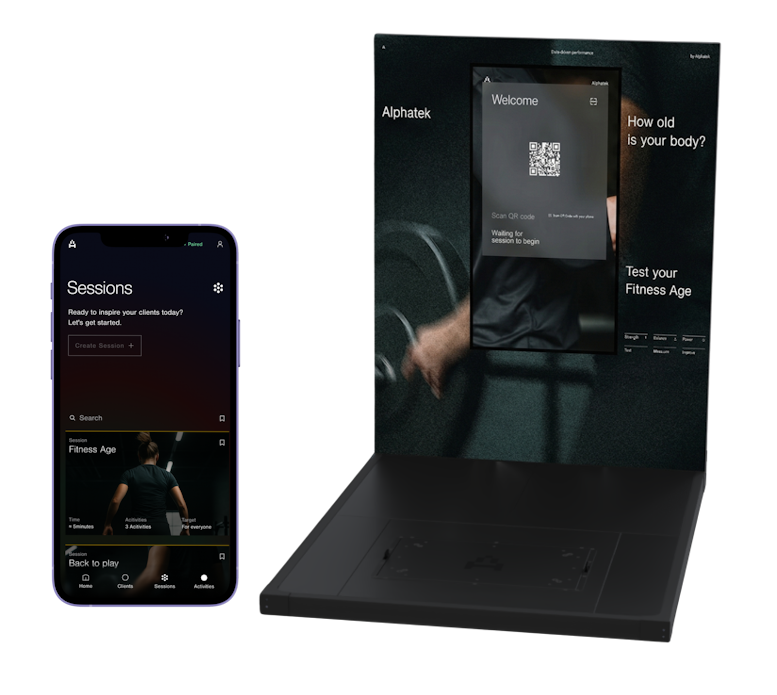
One result. Three views.
The patient sees an understandable result. The clinician places it in context. A planned retest creates a comparable next conversation.
One shared work surface
The patient sees the result from the activity. The clinician connects it to the wider assessment, and the same protocol creates a comparable next conversation.
A visible result connected to the activity just completed.
Objective context alongside history, observation and clinical reasoning.
The same protocol creates a clearer comparison with the patient's own starting point.
Relevant conversations
Three physical questions
Selected measures of strength, power and balance can add different context to the functional picture.
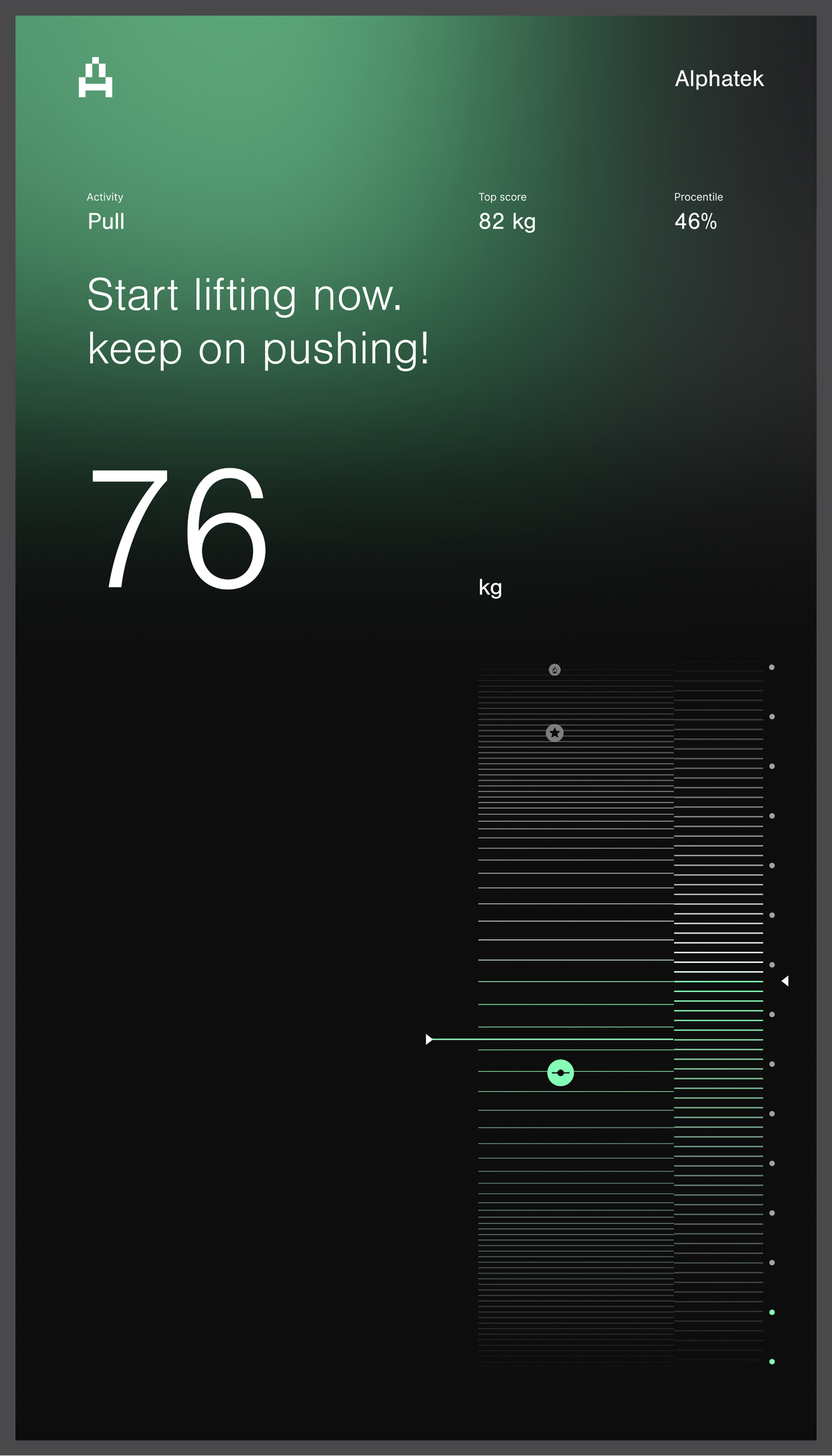
Add a repeatable measure of force-producing capacity.
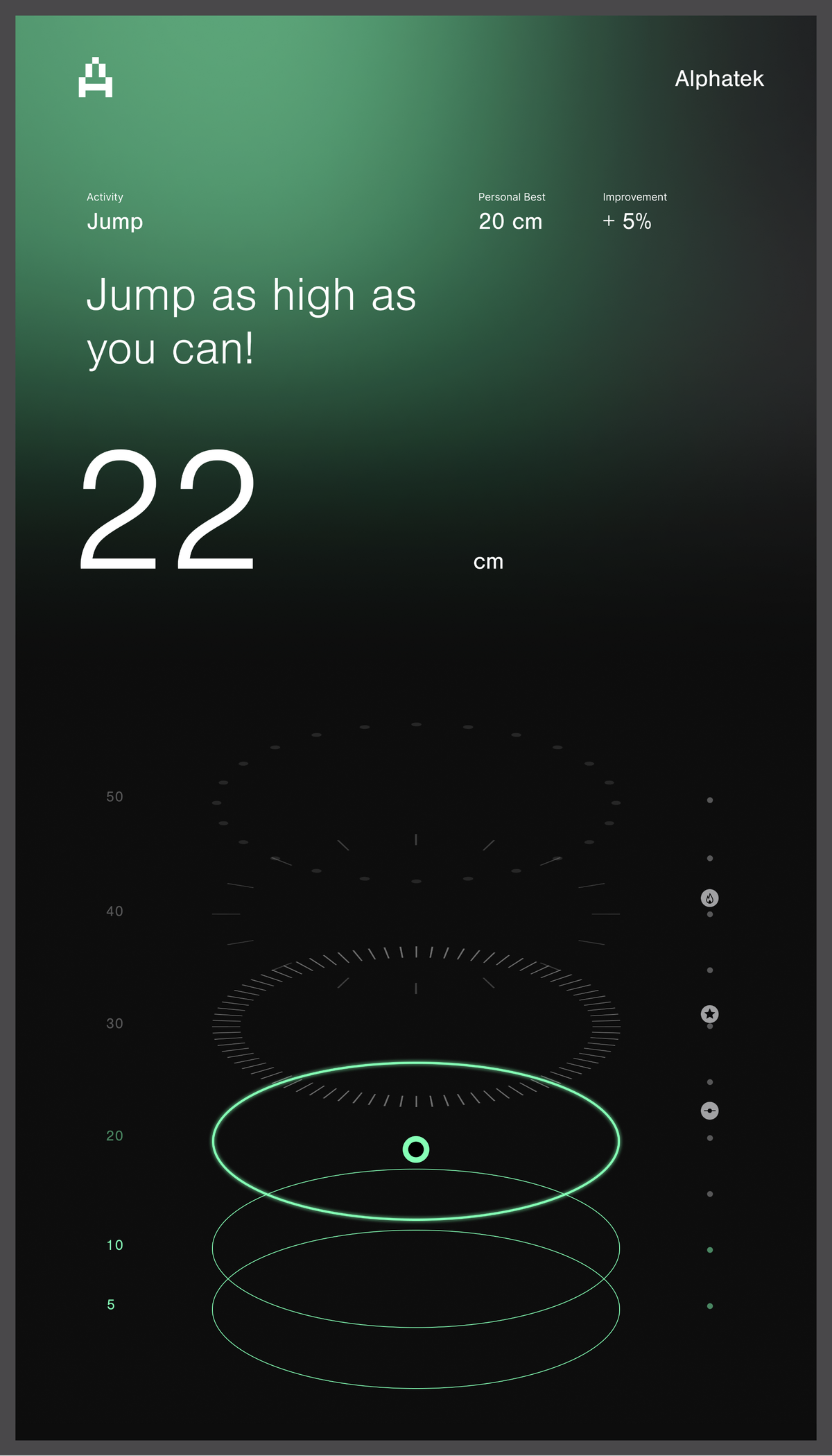
See how quickly effort can be produced in an appropriate activity.
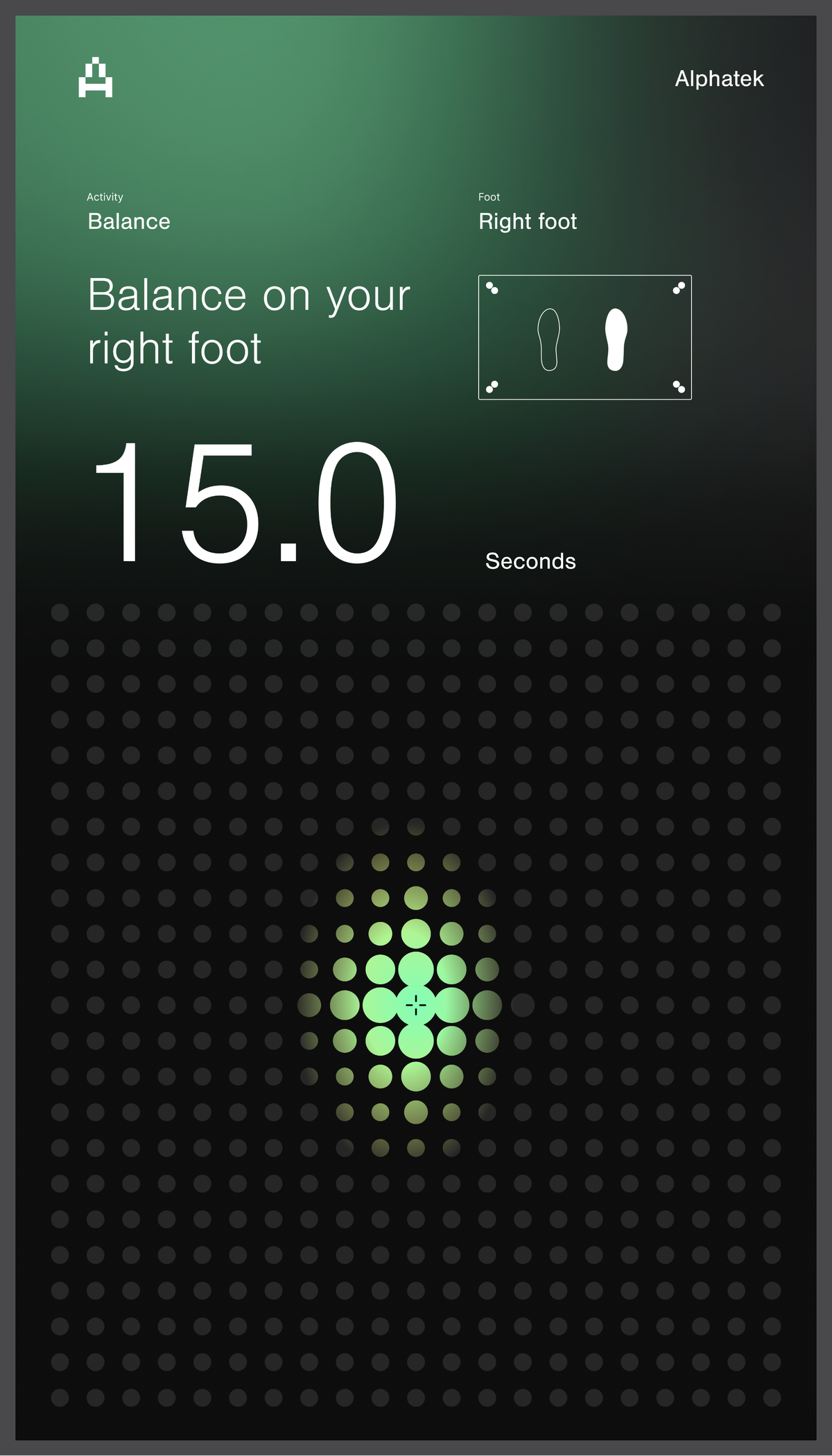
Add balance context through a guided, stage-appropriate activity.
The measurements supplement history, examination and professional judgement. They do not diagnose a condition or decide readiness on their own.
Evidence with context
Clinical credibility comes from showing what was measured, for whom, how it should be interpreted and where the limits are.
What the activity involves and when it may be relevant.
What the output represents and which source supports it.
What the result cannot diagnose, predict or decide alone.
Implementation
Before purchase, make the first clinical use case, initial users, space and follow-up explicit. Adoption is part of the value case, not an afterthought.
Define the patient group, clinical question and planned retest.
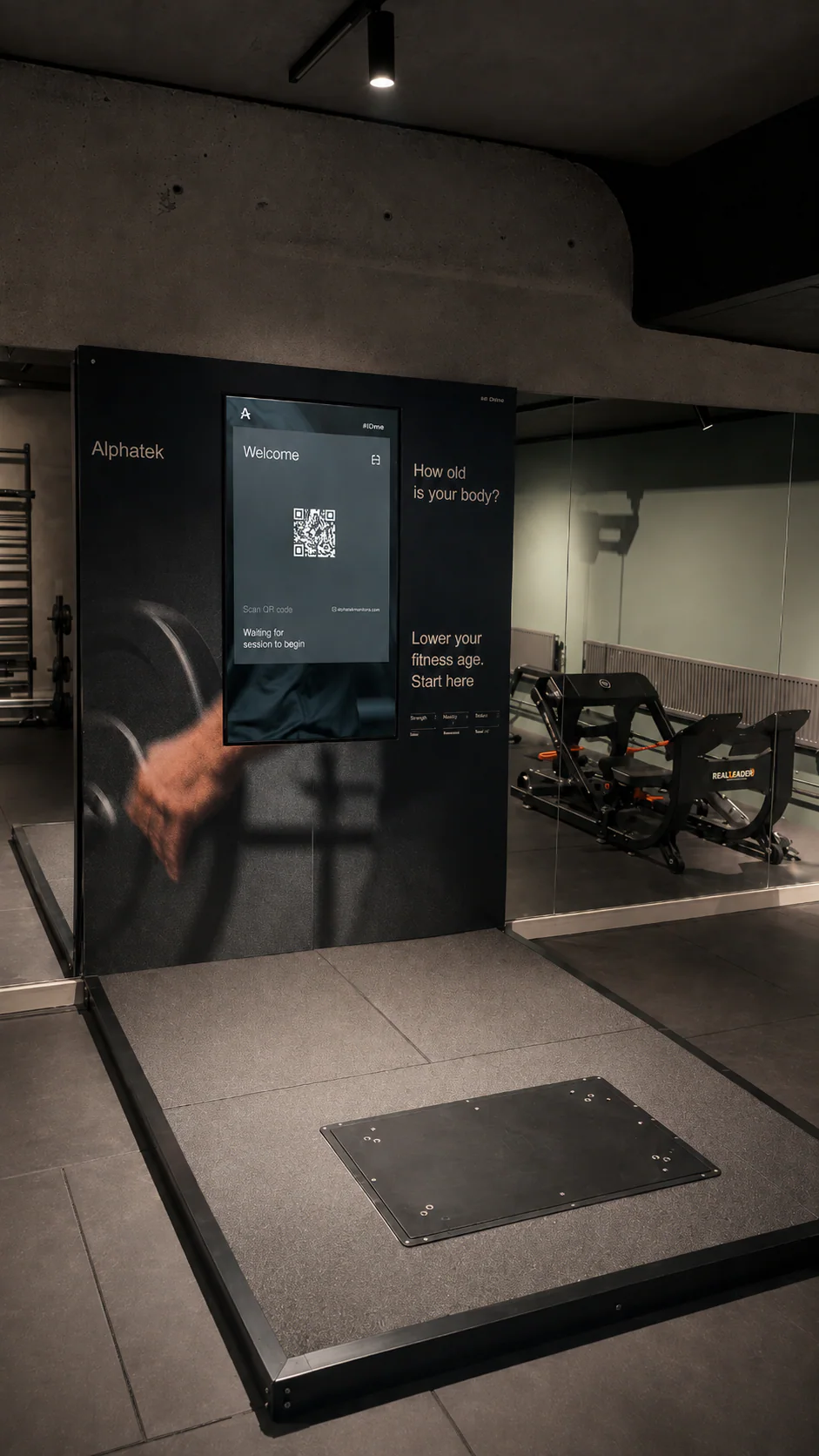
Review space, access and the activities the clinic intends to use.
Align selected protocols, patient language and clinical boundaries.
Follow assessment volume, active users and whether patients return for retest.
Value at four levels
The value case starts with a repeatable workflow, not a promised outcome. Each clinic should validate use and effect in its own pathways.
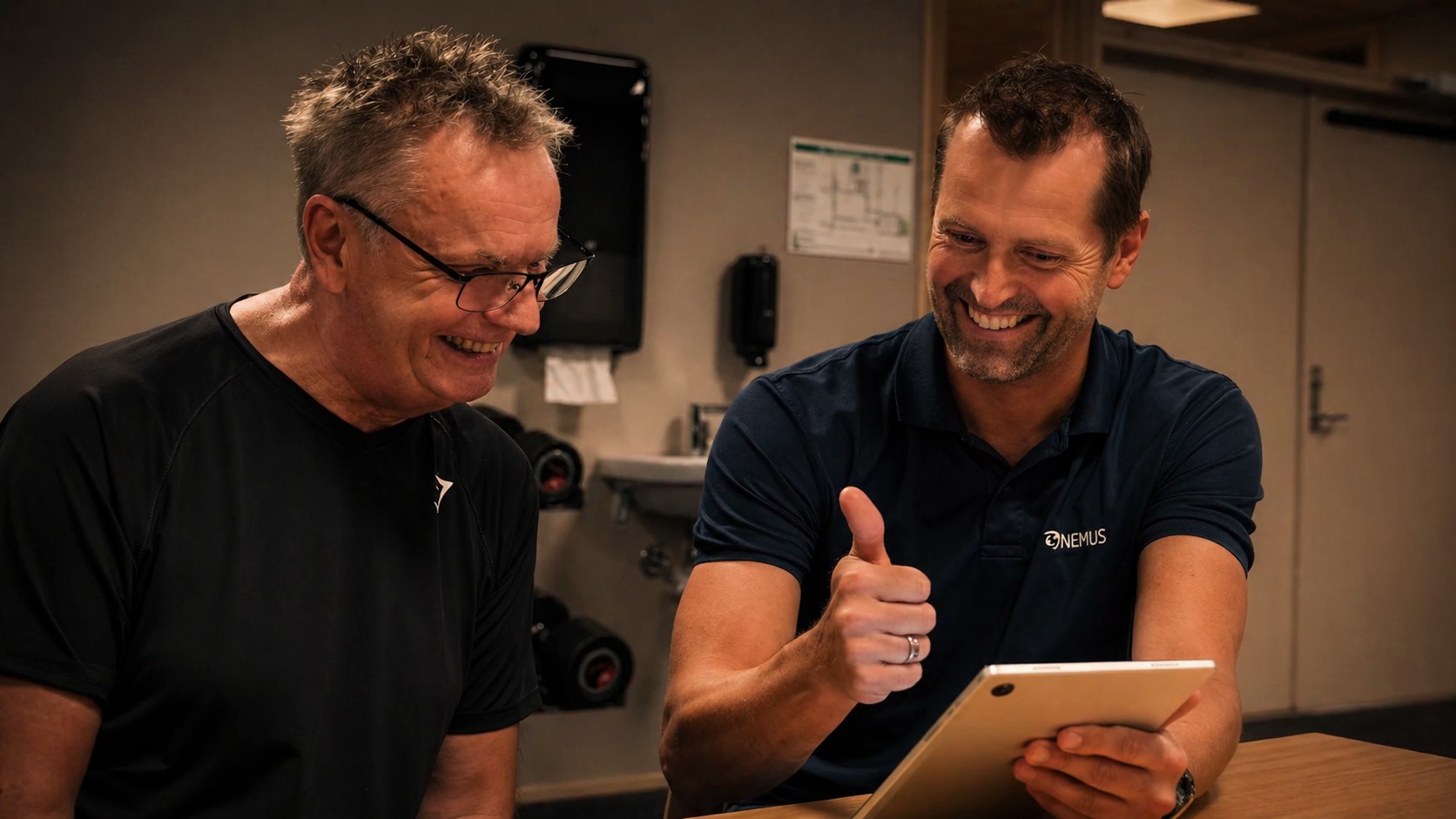
Add repeatable measurement to examination, observation and professional reasoning.
Give clinician and patient a visible result to discuss now and revisit at retest.
Use one shared station and selected protocols across relevant clinicians and pathways.
A clearer follow-up experience can support differentiation and patient relationships; financial effect must be documented locally.
A focused clinic demo
We will map the starting point, result conversation, planned retest and practical fit with your team and space.
Where Alphatek fits
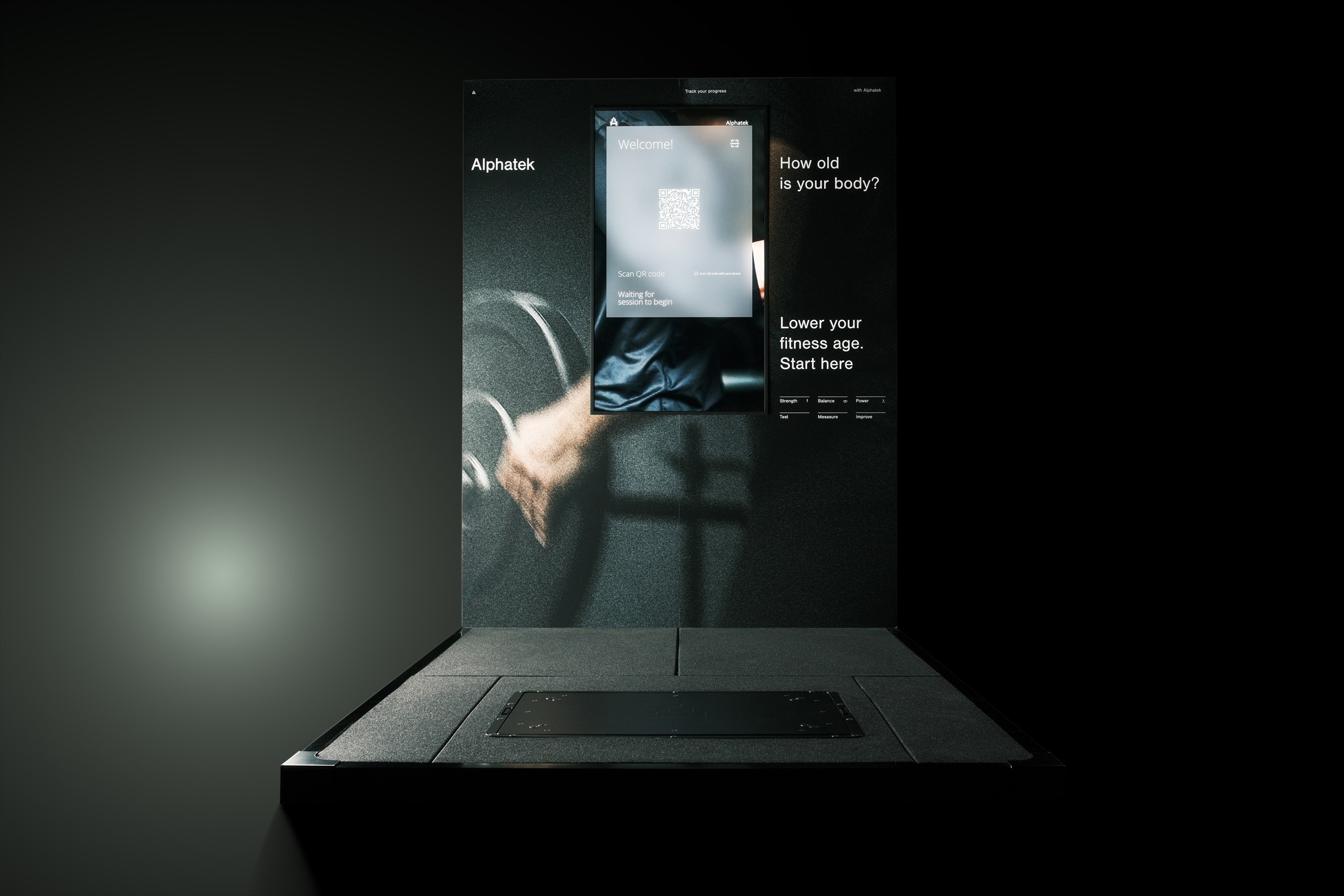
One specialist only needs portable raw data
There is no fixed space or repeated assessment workflow